Excerpt from Program of Excellence Under 17 Technical Curriculum
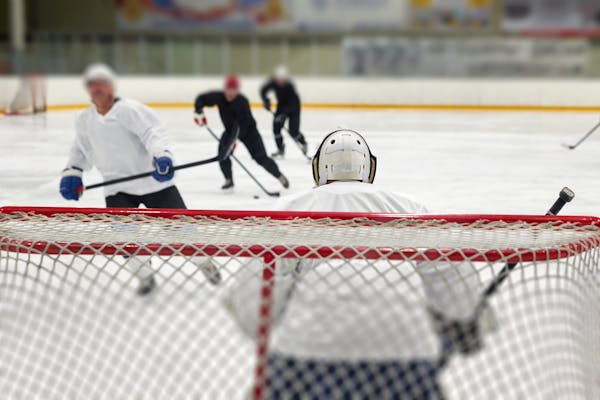
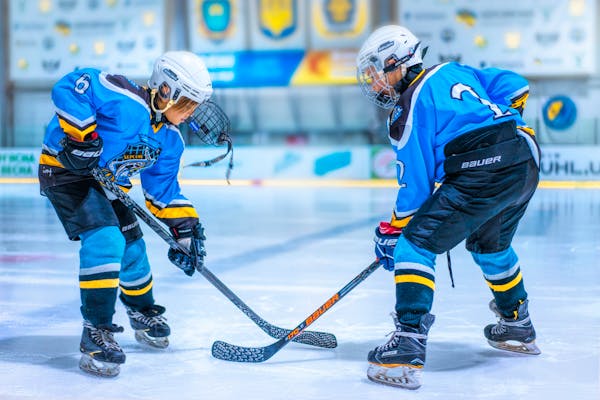
Effective offensive zone play is very much a trademark of Canadian hockey. By enjoying a territorial advantage during the course of a game, the opposition is forced to react to what you are doing. Defending is much more taxing both physically and mentally than attacking and therefore there is an attrition effect as a game goes along.
There are various forms of effective offensive zone play, but it should be understood that while territorial advantage is important, developing scoring chances is the main aim. It should also be understood that good decisions and positioning are also important and so patience is a quality not to be underestimated.
Effective offensive zone play requires that the principles of pressure, puck control, and support employed by all five players on the ice. It is essential that players communicate to each other and work to move puck away from defensive pressure so as to take advantage of seams that may open up as a result of broken defensive coverage.
Forwards should funnel to the net on all shots with a second shot mentality.
Offensive zone play requires hard work and players willing to jump to open spaces and moving quickly to areas after they move the puck. There must be a commitment to get pucks through to the net in order to take advantage of this spring to the net.
DRILL 1:
Change point of attack
• O1 jumps to loose puck while O2 holds net front and supports to open ice
• O2 receives pass and drives net
Key points
• O2 holds net front to draw coverage
• Communicate and release quickly to loose puck-Drive net
DRILL 2:
D cycle
• O1 goes in for shot and releases to corner
• He carries puck up wall past tops of circles and O2 drives down wall
• O1 reverses puck down wall to O2 who drives net for a shot
• O2 then releases to corner to take puck up wall for O3
Key points
• O1 drives up wall to draw coverage
• O1 protect puck and create lane for O2
• O2 communicate and drive seam
DRILL 3:
Double cycle
• Coach spots puck to corner where O1, O2 and O3 cycle until whistle blown
• O3 generate scoring chance, then jump on second puck spotted by coach
• Can work on any type of offensive zone play
Key points
• Puck carrier protect puck and drive high or low along wall
• Support should jump to open ice and communicate
• O3 holds high until puck is moved, then support
* Puck carrier moves and jumps off wall to break coverage and be high |