By Lee Finell, MHSA, RD, Registered Nutritionist /
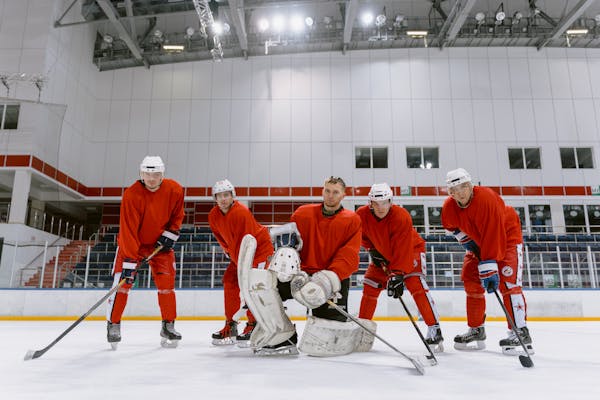
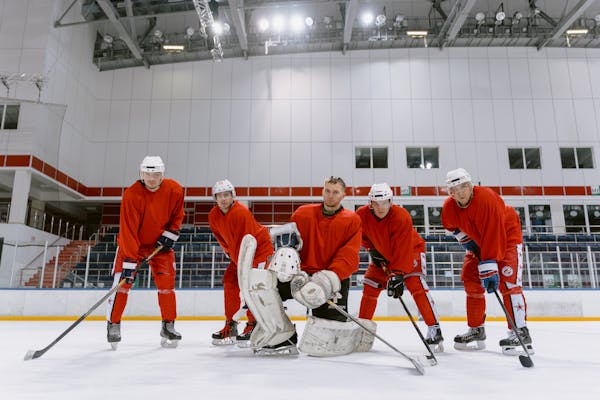
All hockey players and their coaches agree that good hydration is one of the keys to playing well throughout the game. However, there is so much information out there; it can be difficult to separate fact from fiction when it comes to how much, what and when to drink. Here are the bare facts on drinking to play your best.
Teenagers, aged 14-18 years need 8 cups (2 L) of fluid a day for girls and 11 cups (2.75 L) of fluid a day for boys, just to stay hydrated. Remember all liquids count as fluid so this doesn’t mean you have drink only water. Include nutritious choices such as milk, 100% juice and soup. Food also contains fluid. Choosing fluid containing foods such as fruit and yogurt makes it easy to stay hydrated on non-game or non-practice days.
However when games and practices are scheduled it’s necessary to drink more than this and to begin well before play. A good rule of thumb is to drink 2-3 cups of fluid (500-750 mL) two hours before each game or practice. Some athletes may prefer to drink only water before a game. However, a variety of lower fat beverages such as 100% fruit juice and lower fat or skim milk will provide essential nutrients and energy as well as fluid.
During the game drink 5-10 ounces (150-300 mL) of fluid every 15 minutes. This is easy to do by remembering that one gulp is one ounce (30 mL). Some players prefer to drink a sports drink during a game when it is hot and humid or when the game is particularly intense. Sports drinks contain fluid, small amounts of carbohydrate for energy and electrolytes. Electrolytes are minerals such as sodium and potassium that keep your nerves firing and your muscles moving. They are lost when you sweat and need to be replaced after the game.
When choosing a sports drink check the label and look for one that gives you 40-80 grams of carbohydrate per liter. Don’t confuse sports drinks with energy drinks. Energy drinks contain large amounts of caffeine and may contain herbal supplements. Their high sugar content and carbonation make them a particularly poor choice at any time.
After the game it’s important to refuel, replenish and rehydrate your tired muscles. Generally speaking, if you drink enough before and during the game, 2-3 cups of fluid (500-750 mL) will replace the fluid lost during the game. The best way to check that you are hydrated is to make sure that you have plenty of pale urine. Dark urine is a sign that you need to drink more.
As well as replacing fluid, tired hockey players need to refuel and repair their muscles.
Scientific studies confirm one of the easiest and tastiest ways to do this is by drinking chocolate milk. It contains the carbohydrates your muscles need to refuel and the protein they need for repair. And, chocolate milk contains the perfect ratio of carbohydrate to protein to ensure your muscles recover in time for the next game.
But to play your best your muscles need other nutrients as well as carbohydrate and protein.
For example, B vitamins are involved with metabolism, the process that helps convert food into energy. Other B vitamins help to maintain healthy nerve cells that keep your muscles moving and healthy red blood cells that carry oxygen to keep your muscles working.
Don’t worry; you don’t need to take a vitamin supplement to get enough B vitamins. These important vitamins are found in milk and alternatives, grains, some vegetables, and meat. Milk and chocolate milk contain six B vitamins including riboflavin, niacin, thiamin, pantothenic acid, vitamin B12 and folic acid. In fact, all milk is the primary source of riboflavin in our diets and milk and meat are the only natural food sources of vitamin B12 in the diet.
Finally, it’s easy to feel overwhelmed by the amount of nutrition information and misinformation out there. The best, most sound nutrition advice is stick to the basics. Follow Canada’s Food Guide to ensure you get all of the nutrients your body needs to play your best.
To download a copy of Canada’s Food Guide visit:
http://www.hc-sc.gc.ca/fn-an/food-guide-aliment/index-eng.php
For more information or if you would like to find a registered dietitian who specializes in sports visit:
www.dietitians.ca and look under find nutrition professional.
Fuel UP after your next game or practice with:
A Honey Monkey Smoothie
1 cup (250 mL) milk
1 banana
1 tbsp (15 mL) honey
Cinnamon or nutmeg
Blend all ingredients until smooth. Sprinkle lightly with cinnamon or nutmeg.
Makes 1 ½ cups (375 mL)
Per serving of 1 ½ cups (375 mL) made with 2% milk: 299 calories; 9.9 g protein; 56,8 g carbohydrate; 5.5 g fat; 306 mg calcium
|