Question:
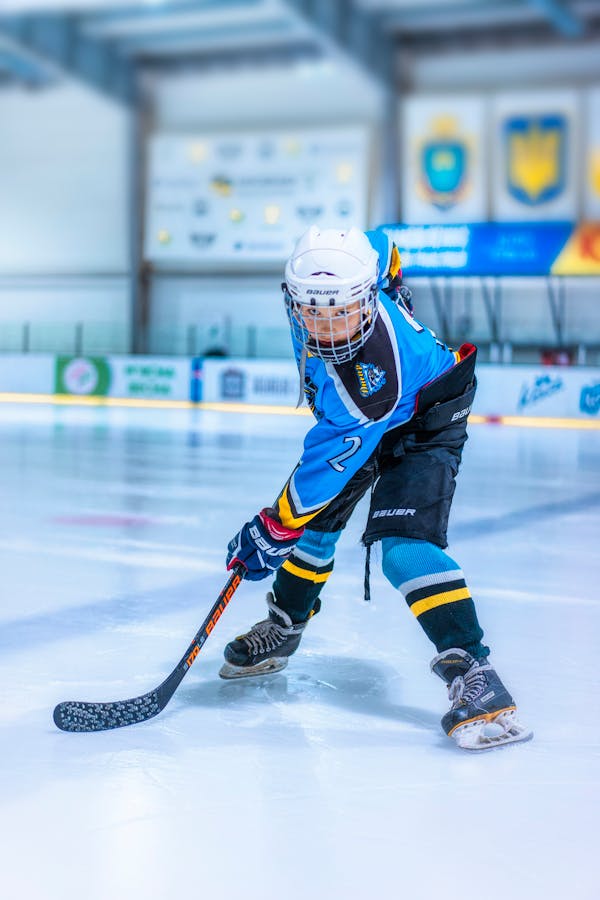
Hi Ryan, I have coached winter and spring hockey for the last six years. I have a very talented 10-year-old player on my team who treats his teammates and opponents very badly. He bullies the players from his own team when something does not go right on the ice, takes bad penalties and bad mouths the referee. As a coaching staff we have talked to him repeatedly about his poor behaviour and have even benched him. We get no support from his parents, which does not help. Can you give me some ideas I could try to get him to just play hockey and change his very negative attitude?
Thanks,
Ches
Answer:
Ches, I think that all coaches run into your described situation over the years of coaching minor hockey, but I also feel your heartbeat. As much as this young hockey player is messing up your team, I know that your desire is to help this young person not mess up his own life.
Here is the approach that I have developed in my upcoming book, HUNGRY: The Amazing Difference between Winning and Second place that will be published in 2008. I call this the Team Performance Power Triangle. Every player in hockey and life plays within the context of this triangle. Personal High Performance, Team and Leadership are the core components, but as you can see they are supported by some very key connectors.
Here is what I would recommend for the young player that you described. Show him this diagram and suggest that this is the context that he needs to better understand how to maximize his personal success. Focus on how each of these components will be crucial to this player’s future. As a leader on your team, this young player will need to help positively shape each of these concepts. Show this player that as one of the leaders on the team he has a positive or negative effect on every part of his team’s season on and off the ice. Suggest that leadership is always the foundational element to every part of the game of hockey and that NHL scouts are looking for good players with great leadership skills.
Ask this troubled player to describe the type of energy that he brings to the team. Ask him about the things that he would like more of (Affirmation) and less of (Confrontation) on your team. Start to write down a list and then suggest that you will work with this player to make these happen if in fact he will also own these (Demonstration). Suggest to him that he needs to demonstrate these changes that he would like to see. Finally, ask this player to describe the BEST season for him personally and for the team. Talk to this player about his BEST season within the context of the Power Triangle and how taking care of each of these elements will help shape this player’s desired outcome.
Ches, over the years I have found that giving troubled players more responsibility sometimes helps their often destroyed self-esteem. Sharing with them how they can have a huge, positive impact on their own personal success by positively impacting their team’s season is also key to refocusing their currently negative influence.
Some players will not change. Others really turn the corner and use the great game of hockey to positively impact the direction of their lives. Ches, and to all other coaches… thanks for caring!
Ryan Walter played 15 NHL Seasons and has a Master’s Degree in Leadership/Business. He is a Leadership facilitator and speaks to Corporations, Organizations and Hockey Associations across North America. For information on booking Ryan or to purchase his programs, books, DVD or to sign up for Ryan’s free e-newsletter on leadership and team performance…go to www.ryanwalter.com. And view Ryan’s brand new video at www.ryanwalter.com/addingvalue.asp |