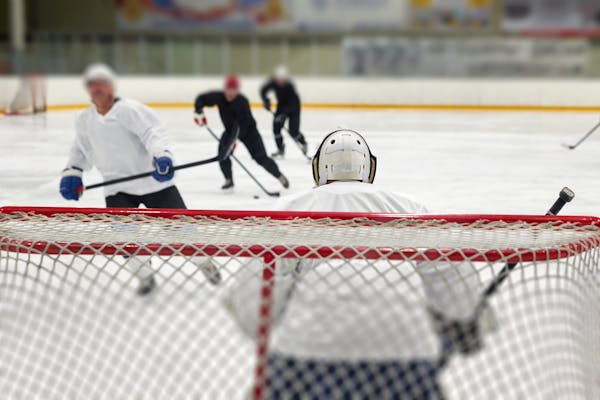
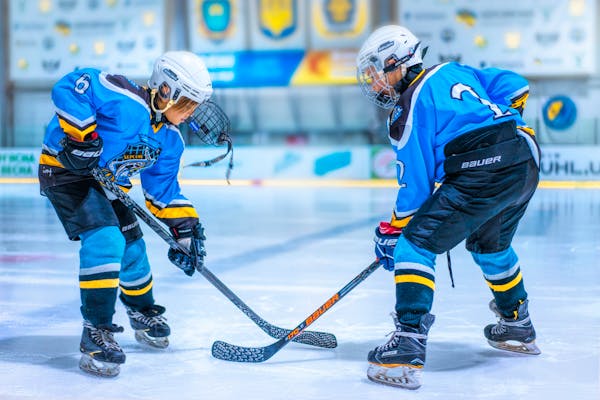
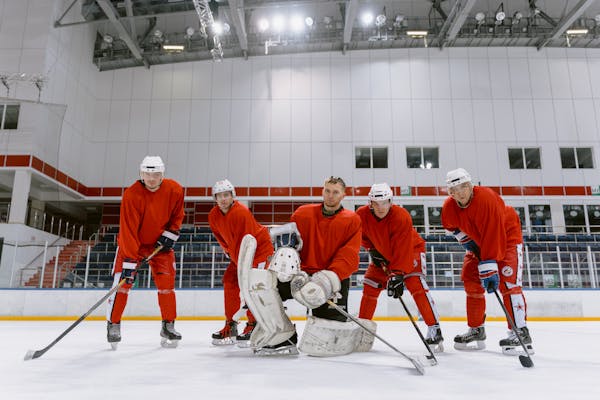
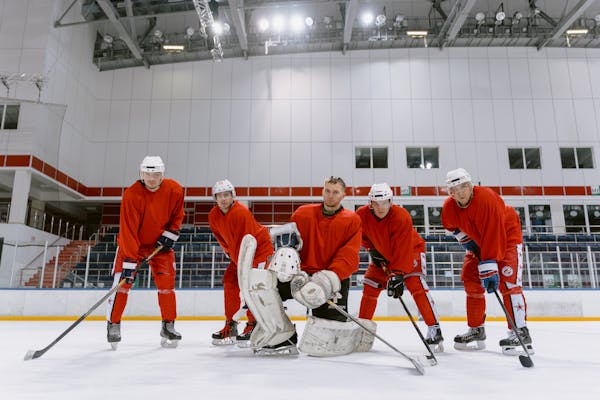
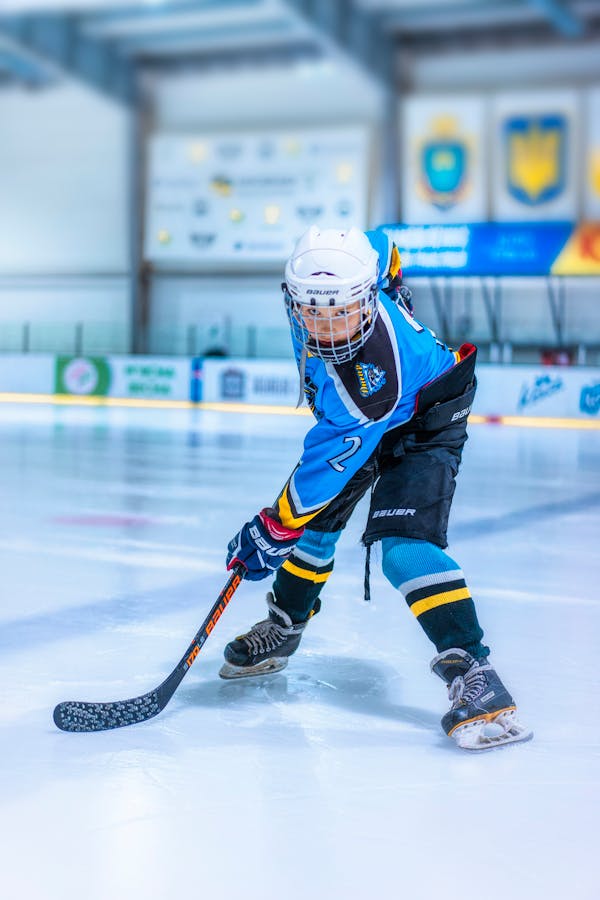
Deep in the hockey season, coaches, parents and athletes have a slight glance ahead to tournaments, playoffs and championships. Are all the ingredients in place to have a great season?
Today’s hockey player is looking for an edge over the competition to help them excel in every shift of every game so that hockey skills improve, game tactics advance, team systems evolve, goals are scored, games are won.
In season, conditioning must consider on-ice demands (practices, games) and supplement player physical development to strengthen the physical tools needed to excel in the game. To avoid de-conditioning over the season and gradually losing the physical competitive edge developed in the off season, players need to engage in smart muscle training to continue to progress.
The physical demands of the game require players to give 100 per cent effort in every shift with powerful agility, explosive multi-directional movement, crushing body contact, battles on the boards, fast breakouts, and competitions for puck possession in the offensive zone.
The overall toll on the body is great, and as speed increases, so does injury risk. Many players simply focus on hockey, rest and recovery during the season where others use conditioning to give them an edge.
After many years of working with professional hockey players and carving out time to train during road trips and a grueling game schedule, I promote smart muscle training during the in season.
Using a blend of dynamic balance challenges, multi-directional movement skills and whole body strength exercises, an efficient and effective workout is built.
This training style creates a maximum metabolic cost that recruits various muscles from prime movers, to synergists and stabilizers to handle coordinated whole body, purposeful movement sequentially from toe to fingertip.
Players engage in balance exercises that stimulate the mind to muscle connection to build body control and coordination.
The training session develops game elements like speed, agility and quickness with precise movement patterns followed by whole body lifts that require the brain to coordinate complex lifts to develop strength, muscular endurance and explosive power.
The skills and drills keep the neurological system activated, stimulate powerful game like movement sequences and challenge athletes to perform complex exercises. The outcome is a body that is bigger, faster, stronger and smarter, where muscles comply with the mind’s commands.
Players who are searching for ingredients in their training to continue to build their physical tools over the season should consider all aspects of their hockey routine.
Though overloading, the body creates adaptation to improve, too much training that is too intense can quickly lead to injury, fatigue and poor performance. To stay fresh and game-ready as each week of the season progresses requires players to constantly focus on all aspects of their game on and off the ice.
Peter Twist, 11-year NHL Conditioning Coach, is President of Twist Conditioning Inc that provides franchised Sport Conditioning Centres, Smart Muscle™ Hockey training products and home study coach education. www.twistconditioning.com
|